Best Grading Expert Services for Your Next Construction Project
Picking an appropriate excavation contractor is vital for every construction project. These specialists serve a critical function in ground setup, providing a robust base and correct drainage. Their familiarity with varied earth discover here types and protective measures can significantly affect construction results. Yet, figuring out how to select the finest contractor goes beyond just experience. The subtleties of their services and cutting-edge methods justify deeper examination to obtain the finest outcomes.
Comprehending the Responsibilities of an Excavation Contractor
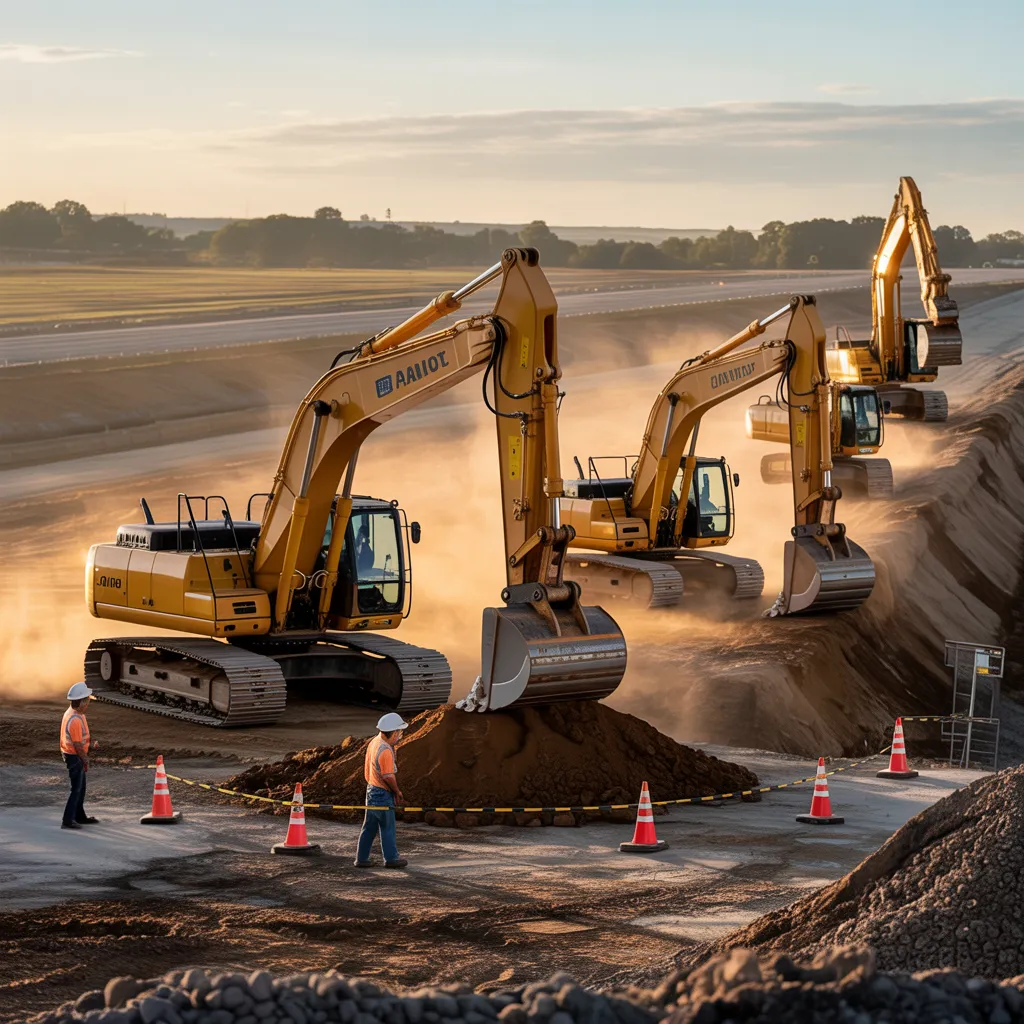
An excavation contractor serves as a vital component in the construction process, functioning as the foundation for any building project. They are in charge of preparing the site, which involves removing obstacles from the land, leveling the terrain, and creating channels for utilities and foundations. This contractor must demonstrate thorough understanding of ground composition, water management, and regional requirements to maintain compliance and safety. Their expertise encompasses evaluating risks and putting strategies in place to mitigate excavation hazards during excavation. Additionally, they work alongside other construction professionals, guaranteeing that excavation aligns seamlessly with the overall project timeline. The excavation contractor also manages heavy machinery and labor forces, optimizing efficiency while maintaining budget limits. By laying the groundwork for following building stages, they play an essential role in determining the project's success, rendering their efforts indispensable to the entire construction process.
Main Services Presented by Excavation Contractors
Excavation contractors present a full spectrum of indispensable offerings that are vital for the triumphant completion of construction projects. These offerings typically include site groundwork, where contractors strip the land of debris, vegetation, and existing structures to form a suitable foundation. Grading is another key service, confirming the land is leveled to allow proper drainage and support for the structure.
Additionally, digging professionals are responsible for digging trenches for essential services, such as water, gas, and electricity, which are essential for constructing foundational systems. They also execute foundation excavation, removing soil and rock to establish a stable base for new structures. Contractors may offer specialized services like building removal, where they securely take apart existing buildings, and ground reinforcement to improve ground conditions. These essential offerings collectively guarantee the groundwork is appropriately managed, laying the foundation for a productive building endeavor.
The Vital Role of Safety in Excavation Work
Construction projects by nature involve various perils, specifically in excavation work with heavy machinery and deep digging. Safety is critical in this field to preserve protection for workers, nearby residents, and the project's integrity. Excavation sites contain hazards such as cave-ins, equipment mishaps, and exposure to underground utilities. Consequently, implementing strict safety protocols is crucial.
Excavation contractors must focus on training and adherence to safety regulations, ensuring all personnel possess the necessary skills and knowledge to identify and control risks. Regular safety audits and equipment inspections further enhance site safety. Additionally, utilizing proper signage and barriers can help prevent unauthorized access and accidents. Ultimately, a strong safety culture not only safeguards lives but also promotes project efficiency and reduces costs associated with accidents and delays. A commitment to safety reflects a contractor's professionalism and dedication to delivering successful outcomes in excavation work.
Advanced Systems in Excavation Operations
With the ongoing progress of technology, the excavation industry is undergoing significant developments that boost efficiency and precision in operations. Modern machinery outfitted with GPS and laser-guided systems permits accurate grading and depth control, lowering the chances of human error. Drones are more frequently employed for site surveys, supplying real-time data and aerial images that enhance project planning and monitoring. Moreover, 3D modeling software allows contractors to visualize project layouts, streamlining excavation processes and cutting down waste.
Automation is also gaining traction, with automated digging equipment and sophisticated tracking technology enhancing machine performance and maintenance scheduling. These technologies not only expedite workflows but also improve protection by tracking location status and equipment functionality. By integrating such modern tools, excavation contractors can deliver projects more productively, ensuring punctual delivery while maintaining excellent levels of safety and quality. This evolution in technology marks a pivotal shift in how digging operations is conducted today.
Picking the Ideal Earth-moving Service Provider
How can one guarantee the selection of a capable excavation contractor? The process begins with thorough examination. Interested parties should seek endorsements from market specialists and review online comments. Evaluating a contractor's track record in similar projects is critical, as it reflects their capability to handle specific site challenges.
Next, confirming licenses and insurance coverage ensures adherence with local requirements and shields against legal exposure. A qualified contractor should also submit a thorough portfolio of previous work, illustrating their competence and quality standards.
Furthermore, it is essential to review the contractor's machinery and resources, since modern tools can greatly enhance performance and security.
Ultimately, meaningful dialogue is paramount; a contractor should be dedicated to converse about project timelines, potential issues, and strategies. By executing these steps, clients can with certainty identify an excavation contractor who reflects their project requirements and goals.
Expense Variables in Excavation Solutions
Understanding the cost factors in excavation services is crucial for effective project budgeting. Key components include the size of the project, which directly influences the volume of material to be moved, as well as site accessibility, which can impact equipment requirements and labor efficiency. Additionally, equipment and labor costs vary considerably based on the specific demands of the excavation task at hand.
Project Size Impact
The size of a construction project greatly affects the costs of excavation services, as larger sites frequently require more extensive planning and resources. Excavation volume increases with project scale, leading to higher labor, equipment, and material costs. Besides, larger projects may necessitate more advanced technology and specialized machinery, thus increasing expenses. The terrain complexity also has a key role; bigger areas may present varied geological conditions that require tailored excavation methods. Furthermore, extensive projects usually involve longer timelines, resulting in increased overhead costs. All these factors combined highlight the importance of accurately determining project size to effectively budget for excavation services, ensuring that contractors can execute the required work successfully and within financial limits.
Website Availability Aspects
Site approachability considerably affects the cost of earthmoving operations, as it dictates the simplicity with which machinery and materials can get to the project area. If a site is hard to access due to tight roads, steep grades, or urban congestion, additional measures may be required. These may include specialized vehicles, thorough preparation, or even road alterations, all of which can inflate overall expenses. Additionally, restricted entry can extend work schedules, leading to higher labor and machinery leasing costs. In contrast, a site with simple entry can facilitate smooth operations, lowering costs. In the end, comprehending site accessibility is critical for precise financial planning and planning, as it serves as a crucial role in determining the overall viability and expense of excavation undertakings.
Equipment and Labor Costs
While site digging projects require careful planning and execution, machinery and workforce expenses emerge as critical factors that can considerably influence total expenses. The type of machinery used, such as excavators, bulldozers, and backhoes, significantly affects pricing. Equipment rental or purchase costs, along with upkeep and fuel expenses, can build up quickly. Additionally, the expertise and number of laborers required for the project play a pivotal role in determining labor costs. Skilled operators command higher wages, demonstrating their specialized training. Furthermore, project length can extend costs, as longer timelines often require additional labor hours and equipment rental days. As such, a thorough understanding of these cost factors is crucial for accurately budgeting excavation services in construction projects.
Case Studies: Successful Excavation Projects
Multiple digging undertakings have demonstrated the vital contribution of experienced construction specialists in guaranteeing successful construction outcomes. One significant scenario centered around a business office structure in an city district, where construction crews faced challenging ground challenges. Through inventive methods, such as terrain stabilization and suitable water management systems, the endeavor was concluded on schedule, curtailing disturbance to adjacent commercial establishments.
Another example is a residential development where the contractor's skill in land grading enabled efficient water management. This not only improved the real estate's value but also ensured compliance with regional regulations.
Moreover, a substantial development project illustrated the value of teamwork between excavation crews and utility providers. By using advanced technology for underground mapping, the contractors prevented costly delays and maintained the integrity of current systems.
These examples highlight that experienced excavation contractors are crucial for navigating intricacies, thereby contributing considerably to the overall achievement of construction endeavors.
Common Inquired Questions
What Attributes Should I Search for in an Excavation Service Provider?
When picking an excavation contractor, one should assess qualifications such as relevant licenses, insurance coverage, experience in similar projects, certified safety standards, equipment quality, and excellent references to confirm reliability and professionalism in their services.
What is the standard timeframe for an earthmoving job?
An earthwork project typically lasts anywhere from a few days to several weeks, influenced by factors like project size, site conditions, and complexity. Each project is one of a kind, impacting the overall timeline substantially.
Which Kinds of Machinery Do Excavation Companies Use?
Excavation contractors typically use bulldozers, backhoes, excavators, and dump trucks. These machines enable various tasks, including digging, grading, and transporting materials, ensuring efficient project completion while adhering to safety standards and environmental regulations.
Can Digging Operations Be Done in Winter?
Excavation work can be undertaken in winter, but it presents complications such as frozen ground and adverse weather conditions. Excavation firms often apply tailored machinery and procedures to navigate these obstacles and keep productivity during lower-temperature seasons.
What Licenses Do You Require for Excavation Undertakings?
Excavation activities often require approvals such as land disturbance permits, excavation permits, and possibly environmental permits. Local ordinances vary; accordingly, it's important for construction firms to consult local authorities to guarantee observance with all necessary requirements.